
Will Your Heating Hold Up This Winter? Hidden Radiator Hazards and How to Bleed Them Safely
Learn how to spot common radiator problems, safely bleed air from your home heating system, and prepare your radiators for reliable warmth all winter long.
Recognizing the Signs Your Heating System Needs Attention
As temperatures drop and winter approaches, relying on a fully functional home heating system becomes essential for daily comfort and safety. Central heating systems, particularly those that use hot water radiators, often sit idle throughout the warmer months. When turned back on for the season, trapped air, accumulated sludge, or slight pressure drops can prevent water from circulating effectively. Recognizing early warning signs helps prevent sudden system failures during the coldest days of the year.
One of the most common issues homeowners notice is cold spots on radiators, specifically when the bottom of the unit feels warm while the top remains cool to the touch. This temperature difference almost always points to trapped air pockets occupying space that should be filled with hot water. Other red flags include strange banging, gurgling, or clicking sounds coming from the pipes, or radiators that take an unusually long time to heat up after turning on the thermostat. Ignoring these minor symptoms forces your boiler to work much harder, leading to higher energy bills and increased wear on internal components.
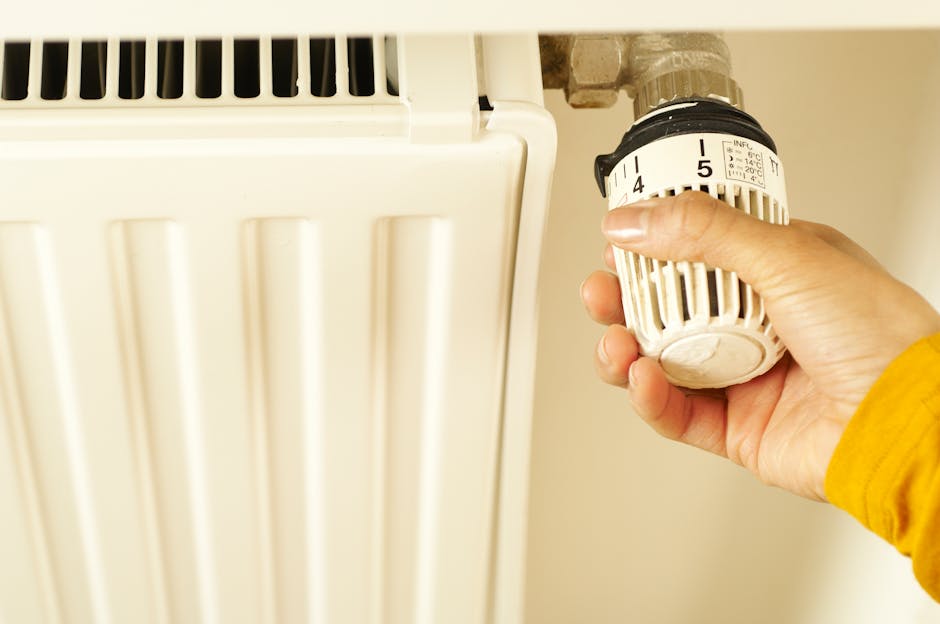
Understanding Hidden Radiator Hazards and Safety Risks
While bleeding a radiator is a standard home maintenance task, hydronic heating systems operate under pressure and contain scalding hot water. Uncontrolled releases of boiling liquid or steam can cause serious burns or damage surrounding flooring and drywall. Additionally, old or corroded valves can snap or stick if excessive force is applied, potentially turning a simple air release into an active plumbing leak that requires an emergency shutoff.
Another hidden danger involves boiler system pressure. Bleeding multiple radiators releases volume from the closed heating loop, which naturally lowers the overall system pressure shown on your boiler's pressure gauge. If the pressure drops too low, the heating system may shut down automatically or suffer damage. Furthermore, older radiators can harbor internal metal sludge and dark rust water. When bleeding air, this dirty water can easily spray out, staining carpets, furniture, and wall paint if proper precautions are not taken. When dealing with damaged valves, severe corrosion, or complex hydronic setups, it is best to consult a qualified heating technician.
Step-by-Step Guide to Bleeding Your Radiators Safely
Before attempting to bleed any radiator, turn your heating system off completely and allow all radiators to cool down entirely. Working on a cold system prevents accidental burns from steam or hot water and ensures that trapped air settles at the top of the panels rather than circulating through moving water. Gather your supplies before starting, including a dedicated radiator key or flathead screwdriver, an absorbent towel, and a small container or cup to catch liquid drips.
Locate the bleed valve, which is usually a small square valve positioned at the top edge on one side of the radiator. Place your container directly underneath the valve and hold a towel around the key to protect against splatter. Insert the radiator key into the valve and turn it slowly counterclockwise—typically just a quarter to half turn is needed. You will hear a distinct hissing sound as trapped air escapes. Maintain your grip on the key and keep the valve open only until the hissing stops and a steady, clear trickle of water begins to flow. Immediately turn the valve clockwise to tighten and seal it, taking care not to overtighten and strip the threads. Repeat this process across each radiator in your home, starting with the furthest unit on the lowest floor and working your way up to higher levels.
After bleeding all affected units, check your boiler's pressure gauge to confirm it remains within the manufacturer's recommended operating range, usually between 1.0 and 1.5 bar when cold. If the reading has fallen into the red zone, you may need to top up the system using the boiler filling loop according to your manual's guidelines. Re-enable your heating system and monitor the radiators as they warm up to verify that heat is evenly distributed across every panel.
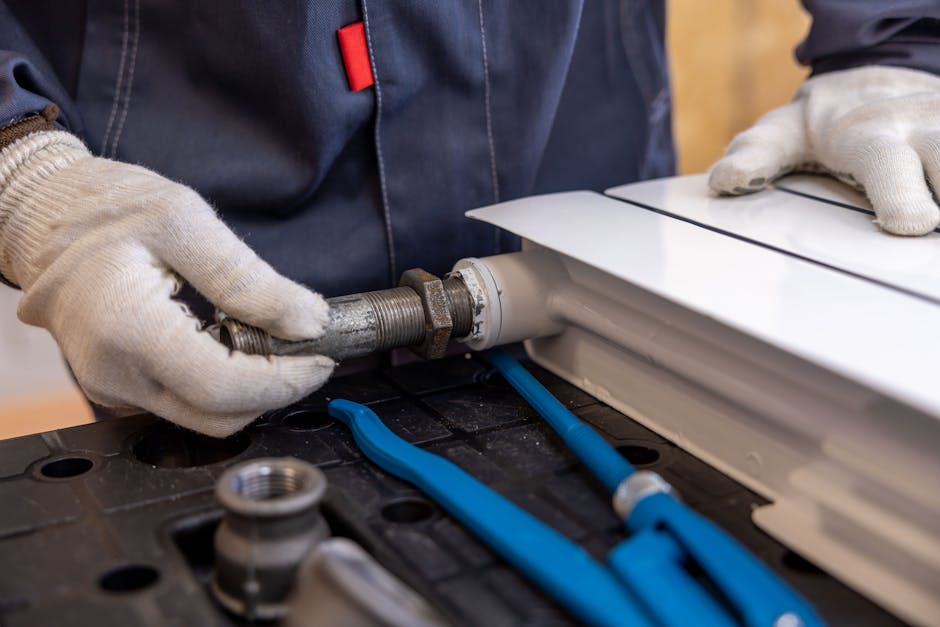
Long-Term Winter Maintenance and Professional Inspection
Bleeding air from your radiators is an essential seasonal task, but comprehensive winter prep involves looking at the entire heating network. Ensure that furniture, long curtains, and radiator covers do not block airflow around the panels, as trapped heat reduces efficiency and forces the system to run longer cycles. Periodically inspect valve connections, pipe joints, and floor surfaces beneath radiators for subtle water stains or rust traces that indicate micro-leaks.
For long-term reliability and safety, schedule an annual service with a certified heating professional. Qualified technicians can inspect internal boiler mechanisms, check flue emissions, assess expansion vessel health, and test system fluid for protective chemical corrosion inhibitors. If your radiators continue to show severe cold spots near the bottom even after bleeding out air, a professional can perform a power flush to clear out heavy rust sludge. Taking a proactive, safety-first approach ensures your home stays warm, secure, and energy efficient throughout the harsh winter months.
Housemindr
By taking the time to inspect your heating system and bleed trapped air safely, you protect your home from sudden mid-winter breakdowns and unnecessary energy waste. Remember to work carefully, respect boiler pressure limits, and reach out to certified professionals whenever you encounter stubborn leaks, damaged valves, or persistent heating faults.
Keywords
- radiator maintenance
- bleeding radiators safely
- home winterization
- heating system care
- radiator hazards
- cold spots on radiator
- radiator key instructions
- hydronic heating care
- boiler pressure radiator
- winter home prep