
The 2026 Mid-Summer Checklist: 12 Ways to Lower Energy Bills and Protect Your Home
Beat the mid-summer heat in 2026 with 12 actionable home maintenance strategies designed to optimize cooling efficiency, prevent seasonal water damage, and cut utility bills.
Navigating Peak Summer Heat with Proactive Maintenance
By the time mid-summer arrives, extreme temperatures, sudden afternoon thunderstorms, and high humidity levels place maximum stress on your home's thermal envelope and mechanical systems. Left unchecked, small inefficiencies like worn weatherstripping or a dirty HVAC filter can quickly escalate into surging monthly energy bills and costly emergency repairs. Taking time in mid-July to conduct a systematic walkthrough ensures your home remains a comfortable, efficient sanctuary throughout the rest of the season.
Managing these recurring seasonal tasks can feel overwhelming without a structured approach. Utilizing digital tools like Housemindr makes it simple to track routine inspections, log filter replacements, and set automated reminders for critical upkeep. By maintaining a clear home maintenance record in Housemindr, homeowners can stay ahead of wear and tear, streamline household budgets, and protect their property investment year after year.

Optimizing Cooling Systems and Air Filtration
Your air conditioning unit works hardest during the dog days of summer. To ensure optimal performance, begin by inspecting and replacing your central air filters every thirty to sixty days. Clogged filters restrict airflow, forcing the system's compressor to run longer and consume substantially more electricity to reach your desired indoor temperature.
Clear away debris, tall grass, and leaf buildup within a two-foot radius around your outdoor condenser unit. Constricted airflow around the outdoor coil prevents the system from efficiently releasing heat absorbed from inside your home. If you notice unusual grinding noises, uneven cooling, or ice formation on the refrigerant lines, avoid DIY repairs; contact a licensed HVAC technician to inspect electrical components and refrigerant levels safely.
Sealing Thermal Leaks and Upgrading Windows
Unwanted air transfer is one of the primary drivers of elevated summer utility costs. Drafty window frames and door thresholds allow cooled air to escape while drawing hot, humid outdoor air into your living spaces. Inspect all exterior doors and windows for gaps in weatherstripping or cracked exterior caulk, applying fresh silicone or polyurethane sealant where necessary.
Enhance indoor cooling by closing blinds, shades, or thermal drapes on windows that receive direct sunlight during peak afternoon hours. Consider installing reflective window films or solar screens on south- and west-facing glass. These low-cost additions block significant solar heat gain before it ever enters your rooms, dramatically reducing the cooling load placed on your air conditioner.
Managing Attic Ventilation and Ceiling Fans
Attics can reach temperatures exceeding 130 degrees Fahrenheit on standard summer days if proper ventilation is lacking. Superheated air in the attic radiates downward through the ceiling into your living areas, forcing your cooling equipment to work continuously. Ensure attic ridge vents, soffit vents, and gable louvers remain free of bird nests, dust, and insulation blockages.
Inside your living space, confirm that all ceiling fans are set to rotate counterclockwise at medium to high speed. This counterclockwise rotation creates a direct downdraft, producing a wind-chill effect that makes the room feel several degrees cooler to human skin. Remember that fans cool people, not rooms, so turn them off when leaving a space to conserve electricity.
Mitigating Water Risks and Exterior Moisture Hazards
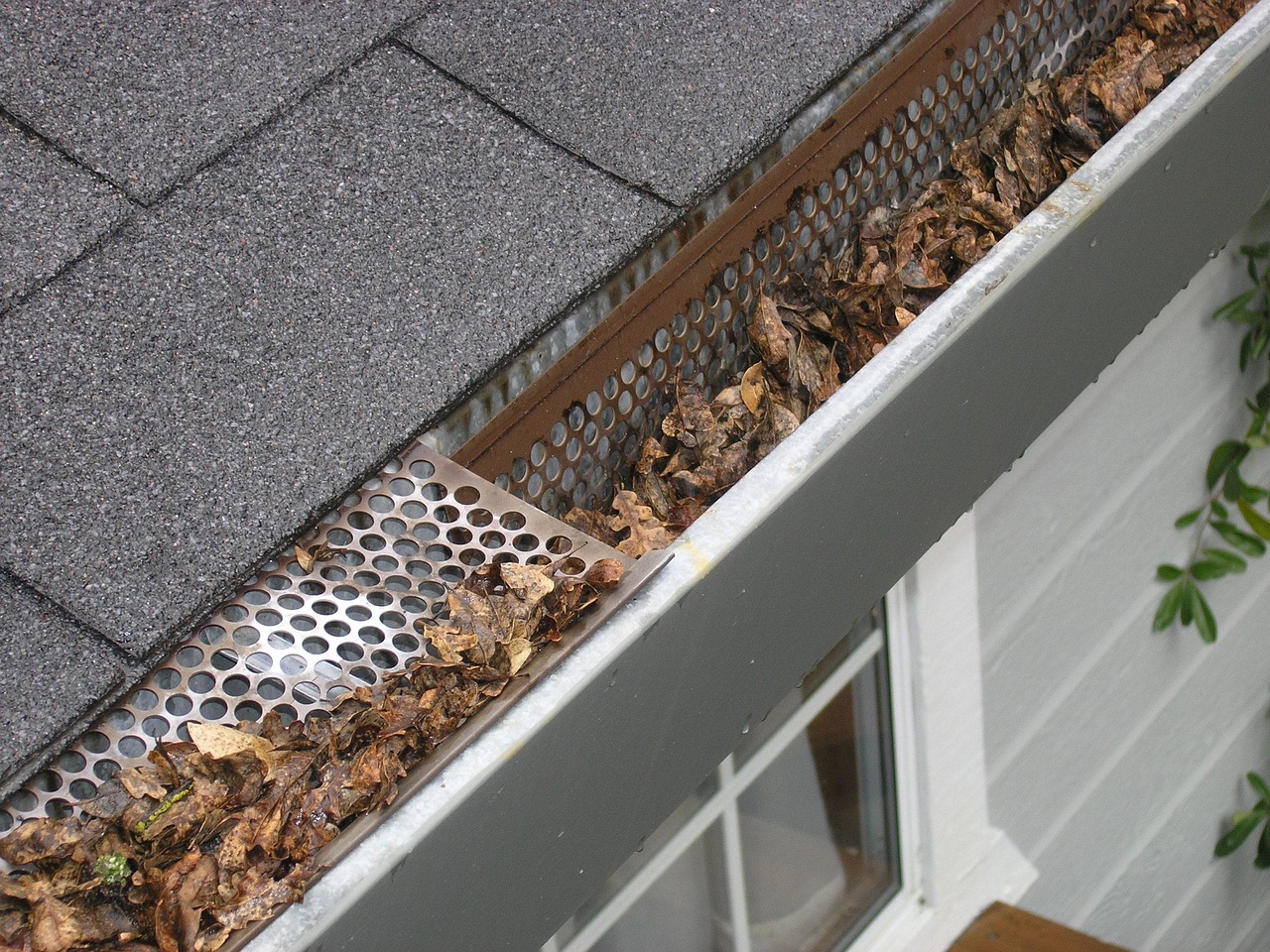
Mid-summer severe weather often brings intense torrential rainfall that tests your home's drainage systems. Clear dry leaves and windblown organic debris from roof gutters and downspouts to prevent water from backing up under shingles or overflowing near your foundation walls. Ensure downspout extensions direct water at least five feet away from structural footings.
Check your indoor air conditioning condensate drain line to confirm it is flowing freely. A clogged condensate drain can cause water to back up into your home, leading to extensive drywall failure, flooring damage, and mold growth. While minor drain flushes with white vinegar are safe for homeowners, any major plumbing re-routes or deep main line blockages should be handled by a certified plumbing professional.
Balancing Appliance Heat and Outdoor Irrigation
Major household appliances generate substantial internal heat when operated. Shift heat-producing chores—such as running the dishwasher, running clothes dryers, or using the kitchen oven—to early morning or late evening hours. Cooking outdoors on a grill or using countertop appliances like air fryers helps keep interior temperatures stable during hot afternoons.
Finally, review your outdoor irrigation schedule to reduce water consumption and protect landscape investments. Water lawns and gardens in the early morning hours before 8:00 AM to minimize water loss from evaporation. Inspect sprinkler heads regularly for leaks, misalignments, or clogged nozzles that waste municipal water and cause uneven turf coverage.
Improving Refrigerator and Freezer Efficiency
Refrigerators and freezers operate continuously, making even minor inefficiencies expensive over time. Vacuum dust, pet hair, and debris from accessible condenser coils, ventilation grilles, and the floor beneath the appliance. Restricted airflow prevents heat from escaping efficiently, causing the compressor to run longer and increasing the likelihood of premature component failure.
Inspect the door gaskets for cracks, hardened sections, or gaps that allow cold air to leak. A simple test is to close the door over a sheet of paper; if the paper slides out without resistance, the seal may need cleaning, adjustment, or replacement. Keep refrigerators between 37 and 40 degrees Fahrenheit and freezers near 0 degrees Fahrenheit to preserve food safely without wasting electricity.
Reducing Standby Power and Unnecessary Electrical Loads
Televisions, gaming consoles, printers, chargers, and other electronics can continue consuming electricity while appearing to be switched off. Connect entertainment systems, home-office equipment, and infrequently used devices to accessible power strips so they can be fully disconnected when not needed. Smart plugs can also automate shutdown schedules for appliances that do not require continuous power.
Review devices that remain plugged in throughout the day and remove obsolete chargers or equipment that is rarely used. Avoid disconnecting essential systems such as refrigerators, security equipment, routers, medical devices, or smart-home hubs. Tracking recurring energy-saving tasks in Housemindr can help ensure seasonal efficiency checks are repeated instead of being forgotten after one enthusiastic afternoon.
Switching to Efficient Lighting and Smarter Controls
Replace frequently used incandescent or halogen bulbs with energy-efficient LED alternatives. LEDs use substantially less electricity and release less heat into your rooms, reducing both lighting costs and the additional cooling demand created by traditional bulbs during summer.
Install timers, occupancy sensors, or smart lighting schedules in hallways, utility rooms, garages, and outdoor areas where lights are commonly left on unnecessarily. Clean dusty fixtures and shades to improve brightness without installing higher-wattage bulbs, and take advantage of natural daylight whenever it can be used without introducing excessive solar heat.
Maintaining Laundry Equipment and Dryer Ventilation
Wash full loads whenever practical and use cold water for clothing that does not require heat-based sanitation. Heating water accounts for a significant portion of the electricity used during a laundry cycle. Select high-speed spin settings where appropriate to remove more moisture before drying and shorten the time required in the clothes dryer.
Clean the dryer lint screen after every cycle and inspect the exterior vent opening for lint buildup, nesting material, or damaged flaps. A restricted dryer vent increases drying time, wastes electricity, overheats the appliance, and can create a serious fire hazard. Flexible foil or plastic ducts should be replaced with suitable rigid or semi-rigid metal ducting where required by local regulations.
Optimizing Water Heating and Hot-Water Use
Water heating can remain a major household energy expense even during summer. Inspect accessible hot-water pipes for missing or damaged insulation, particularly around storage water heaters and long pipe runs. Proper pipe insulation reduces heat loss and helps hot water reach fixtures more quickly, preventing unnecessary water waste.
Check the water heater for corrosion, dripping connections, unusual noises, or moisture around the base. Use manufacturer guidance when adjusting temperature settings, and avoid opening electrical panels, gas controls, or pressure-relief components unless you are qualified to do so. Shorter showers, efficient showerheads, and repairing dripping hot-water taps can reduce both energy and water consumption.
Inspecting Roofing, Siding, and Exterior Shade
Use binoculars or a safe ground-level viewpoint to look for missing shingles, cracked tiles, loose flashing, deteriorated sealant, or siding gaps. Summer storms can exploit minor defects and allow water to enter roof cavities or exterior walls. Arrange professional inspection whenever roof access would require climbing, working near electrical lines, or walking on steep or fragile surfaces.
Awnings, shutters, pergolas, exterior blinds, and strategically positioned vegetation can reduce direct solar heat before it reaches windows and walls. Inspect shade structures for loose fasteners, torn fabric, corrosion, or storm damage. Keep branches trimmed away from roofing, gutters, air-conditioning equipment, and utility cables while preserving useful shade where it does not threaten the building.
Housemindr
By systematically tackling these twelve mid-summer maintenance steps, you can significantly reduce your household energy consumption, enhance indoor comfort, and safeguard your property against severe seasonal heat and rain. Organizing your seasonal maintenance through Housemindr ensures you never miss a critical task, giving you total peace of mind throughout every season. Always prioritize safety, and remember to consult licensed professionals for any complex electrical, structural, or mechanical repairs.
Keywords
- mid summer home maintenance
- lower summer energy bills
- HVAC cooling efficiency
- home maintenance checklist 2026
- prevent summer roof leaks
- Housemindr home management
- attic insulation heat reduction
- smart thermostat cooling tips
- seasonal property maintenance
- window seal heat blocking