
Room by Room: A Practical Checklist for Ongoing Home Care
Keep your living spaces safe, comfortable, and efficient with this straightforward, room-by-room home maintenance checklist designed for regular upkeep.
The Kitchen: High-Traffic Care and Appliance Safety
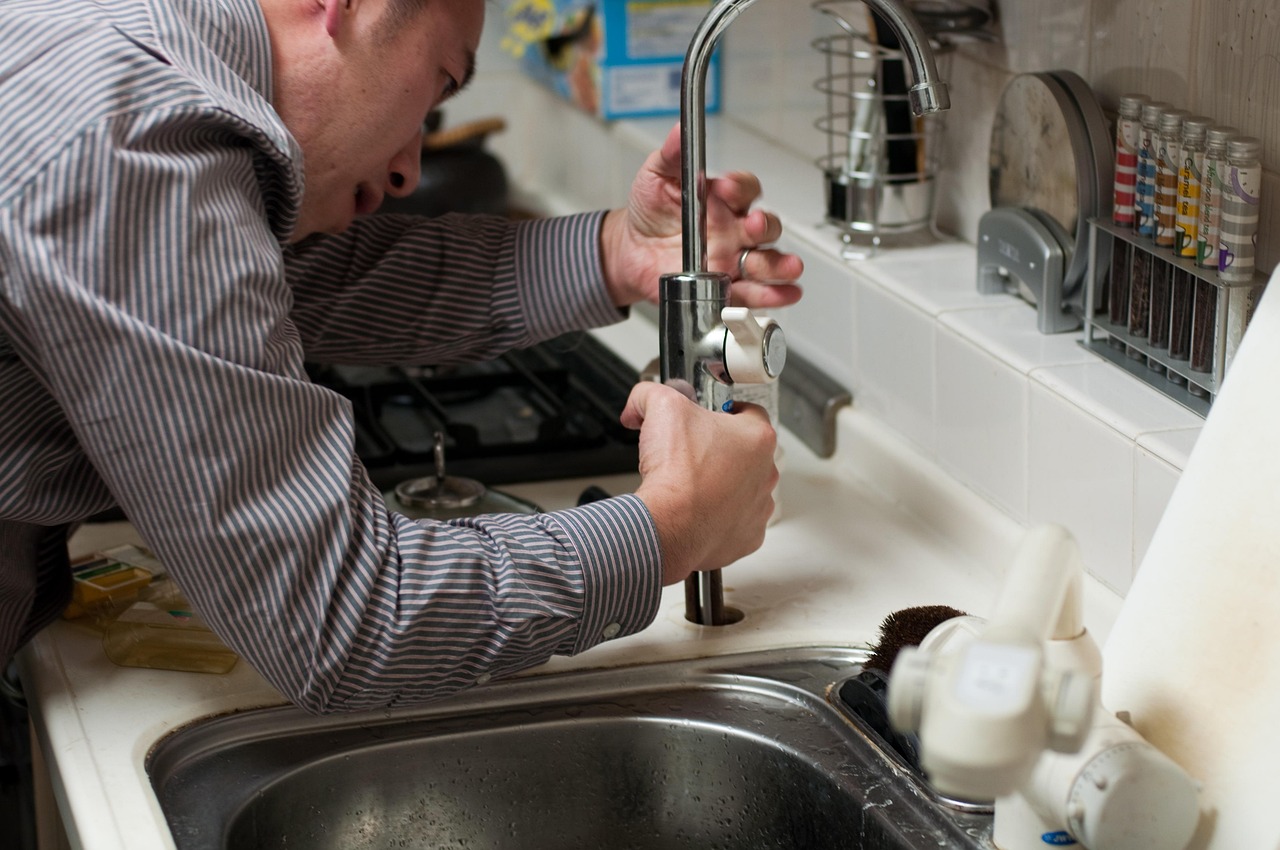
Kitchens are the heart of the home, but they also house the most complex combination of water, gas, and electrical systems. Regular maintenance here preserves your appliances and prevents costly water damage. Start by checking under the sink for any signs of slow leaks or moisture buildup around the P-trap and shut-off valves.
Clean your range hood filter monthly to prevent grease buildup, which is a common fire hazard. Inspect the refrigerator coils annually, vacuuming away dust to keep the compressor running efficiently. If you have a garbage disposal, freshen it with baking soda and vinegar, and check the connections underneath for tight seals.
Remember that gas appliances require specialized care. If you suspect a gas leak or notice an yellow, flickering burner flame instead of a steady blue one, do not attempt to repair it yourself. Always contact a certified gas technician to handle gas lines and combustion appliances safely.
The Bathroom: Moisture Control and Sealant Integrity
Bathrooms are constantly exposed to high humidity, making moisture control your primary objective. Inspect the grout and caulk around your bathtub, shower, and sink weekly. Cracked or missing sealant allows water to seep behind walls and under flooring, leading to structural rot and mold growth.
Test the exhaust fan regularly to ensure it is drawing air out effectively. You can do this by holding a single sheet of toilet paper up to the grille; if the suction holds the paper in place, the fan is operating correctly. Clean the dust from the cover plate every few months to maintain optimal airflow.
Check toilets for quiet leaks by adding a few drops of food coloring to the tank. If color appears in the bowl after fifteen minutes without flushing, your flapper valve needs replacement. For complex plumbing issues or pipe replacements behind walls, hiring a licensed plumber ensures the work meets local building codes.
Living Areas and Bedrooms: Air Quality and Safety Devices
Living rooms and bedrooms are where we spend most of our resting hours, making indoor air quality and safety paramount. Replace your heating, ventilation, and air conditioning (HVAC) filters every one to three months, depending on pet ownership and household size. Clean filters reduce strain on your HVAC system and lower energy consumption.
Test smoke alarms and carbon monoxide detectors monthly using the built-in test buttons. Replace batteries annually, or immediately if the unit begins to chirp. It is also wise to vacuum the exterior of these detectors to prevent dust accumulation from triggering false alarms or blocking sensors.
Inspect windows and exterior doors for drafts and damaged weatherstripping. Replacing worn seals is a simple DIY task that improves comfort and reduces heating and cooling costs. However, if you discover structural window frame rot or need electrical rewiring for ceiling fans, consult a professional carpenter or electrician.

Utility Rooms and Basements: Core Systems Upkeep
The utility room or basement houses the mechanical core of your home. Your water heater requires annual attention to extend its lifespan. Flushing the tank once a year removes sediment buildup that insulates the heating element and reduces efficiency. Be sure to follow the manufacturer instructions for draining the tank safely.
Inspect your washing machine hoses for cracks, bulges, or dampness. A ruptured washing machine hose can release hundreds of gallons of water in a short time, causing catastrophic damage. Consider upgrading standard rubber hoses to braided stainless steel lines for enhanced durability.
Keep an eye on your sump pump if your home has one. Pour a bucket of water into the pit to ensure the float switch activates and pumps the water out efficiently. Because electrical systems, water heaters, and main electrical panels carry high risks of shock or fire, always delegate major repairs or panel upgrades to a qualified electrician.
Exterior and Attic: Your First Line of Defense
The exterior of your home shields the interior from the elements. Clean your gutters at least twice a year, typically in spring and autumn, to prevent water from backing up under shingles or pooling around the foundation. Ensure downspouts direct water at least three to four feet away from the house.
Inspect the attic space during a heavy rainstorm to check for roof leaks. Look for water stains on the underside of the roof decking or damp insulation. Early detection of a roof leak can save thousands of dollars in structural repairs and prevent mold colonization.
While minor gutter clearing and visual attic inspections are manageable for many homeowners, working on ladders or high roofs carries significant fall risks. For steep roofs, structural repairs, or extensive tree trimming near power lines, hiring licensed, insured professionals is the safest and most responsible choice.
Housemindr
Maintaining a home does not have to be overwhelming when broken down into manageable, room-by-room tasks. By establishing a consistent schedule of inspections and minor upkeep, you protect your investment, improve daily comfort, and ensure a safer living environment. Always remember that recognizing your limits is a key part of smart homeownership; when a task involves complex electrical, structural, or high-pressure plumbing systems, calling in a qualified professional is the best way to secure peace of mind.
Keywords
- home maintenance checklist
- room by room home care
- household maintenance planning
- diy home inspection
- preventative home maintenance
- seasonal home care
- safe home upkeep
- professional home repair
- home systems maintenance
- interior home care