
15 Home Maintenance Tasks You Are Probably Forgetting (And How to Avoid Costly Repairs)
Discover the fifteen critical home maintenance tasks that homeowners frequently overlook, and learn how taking proactive care of your property can prevent expensive emergency repairs.
The Hidden Cost of Overlooked Maintenance
Owning a home is a rewarding experience, but it also comes with a continuous list of responsibilities. While most homeowners are diligent about visible tasks like mowing the lawn, painting the walls, or vacuuming the carpets, there is an entire category of maintenance that quietly goes unnoticed. These hidden areas of your home operate out of sight, which often means they remain out of mind until something goes wrong.
Neglecting these lesser-known tasks does not just lead to minor inconveniences; it can result in catastrophic system failures and thousands of dollars in emergency repair bills. By understanding what these tasks are and establishing a routine to address them, you can protect your property investment, improve your home's energy efficiency, and ensure a safer living environment for your family.
Critical Safety and Ventilation Tasks
One of the most dangerous overlooked tasks is cleaning the dryer ductwork. While most people clean the lint trap after every load, lint still escapes into the transition duct and the main vent line running to the outside of your house. Over time, this highly flammable material builds up, restricting airflow, increasing energy consumption, and creating a severe fire hazard. Inspecting and cleaning the entire length of the duct annually is essential.
Another critical safety task is testing your sump pump. If your home has a basement or crawlspace with a sump pump, it is your primary defense against flooding. Homeowners often forget to check this system until a heavy rainstorm arrives. To test it, pour a bucket of water into the sump pit to ensure the float switch rises and the pump activates to discharge the water safely away from your foundation.
Additionally, testing your home's water pressure is vital for preserving your plumbing system. High water pressure might feel nice in the shower, but pressure exceeding 80 PSI can quietly damage your pipes, loosen joints, and ruin expensive appliances like water heaters and washing machines. You can easily test this by attaching a simple pressure gauge to an outdoor hose spigot.
Protecting Your Home's Envelope and Foundation
Your home's exterior envelope is designed to keep moisture out, but it requires regular upkeep to remain effective. Caulking around windows and doors degrades over time due to weather exposure. Inspecting these seals annually and reapplying exterior-grade caulk prevents draftiness and stops water from seeping into your wall cavities, where it can cause structural rot and mold growth.
Clearing debris from window wells is another task that is frequently forgotten. When leaves, dirt, and twigs accumulate in basement window wells, they block the drainage system. During heavy downpours, water can pool in the well and eventually leak through the window frame directly into your basement. Keeping these areas clear of debris and installing clear plastic covers can prevent water intrusion.
Similarly, you must pay attention to the grading around your foundation. Over the years, soil naturally settles, sometimes sloping back toward your home rather than away from it. This encourages rainwater to pool against your foundation walls, leading to cracks, leaks, and structural instability. Periodically adding soil to restore a positive slope away from the house is a simple yet highly effective preventative measure.
Appliance and System Longevity
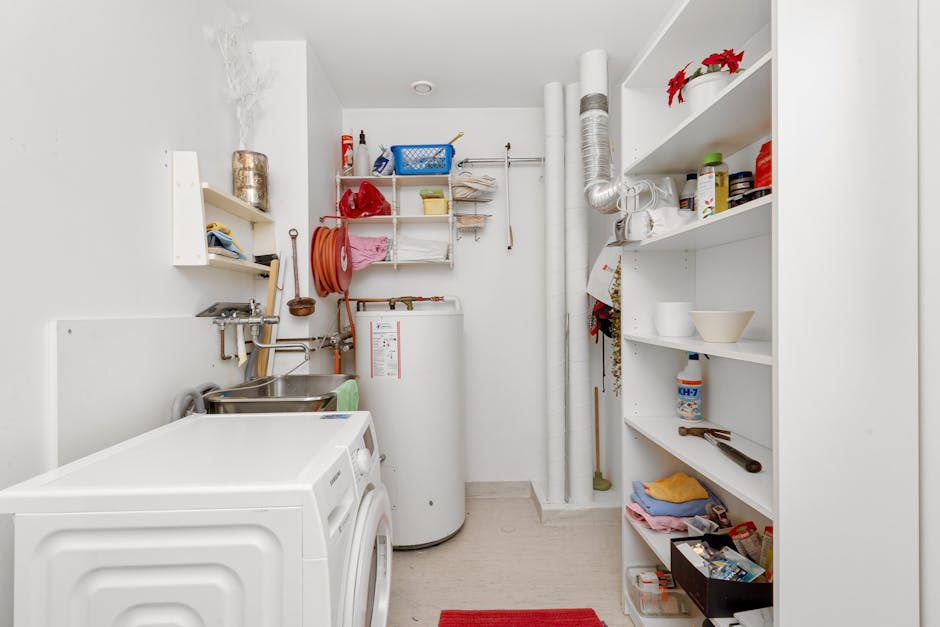
Major household appliances represent a significant financial investment, yet we often run them to failure without performing basic maintenance. For instance, your water heater accumulates sediment at the bottom of the tank over time, especially if you have hard water. This sediment acts as an insulator, forcing the heating element to work harder and eventually causing the tank to overheat and fail. Flushing the tank annually removes this buildup and extends its lifespan.
Refrigerator condenser coils are another common blind spot. These coils, located at the back or bottom of the appliance, release heat to keep the interior cool. When they become coated in dust, pet hair, and household grime, the refrigerator must work much harder to maintain its temperature, leading to higher utility bills and premature compressor failure. Vacuuming these coils twice a year keeps the appliance running efficiently.
Your HVAC system also requires attention beyond simple filter changes. The air conditioning condenser unit located outside can easily become clogged with grass clippings, leaves, and dirt. This restricts airflow and reduces cooling efficiency. Gently spraying the unit with a garden hose to clean the fins, and keeping vegetation cleared back at least two feet, will help keep your system running smoothly through the hottest months.

Often Forgotten Interior Details
Inside the home, there are several small components that can cause major headaches if ignored. Washing machine hoses, particularly the standard rubber variety, degrade over time and can burst under constant water pressure, causing catastrophic indoor flooding. Inspect these hoses regularly for bulges, cracks, or leaks, and plan to replace them every five years, ideally upgrading to braided stainless steel hoses.
Range hood filters are designed to trap grease and smoke from cooking. When they become saturated, they lose their effectiveness, allowing grease to settle on your cabinetry, walls, and ceilings, which creates a sticky mess and a potential kitchen fire hazard. Most metal mesh filters can be easily cleaned by soaking them in hot, soapy water with a grease-cutting dish soap or running them through the dishwasher.
Finally, do not forget to clean the aerators on your faucets. If you notice a drop in water pressure or an uneven spray pattern from a sink faucet, it is likely due to mineral buildup in the tiny mesh screen at the tip of the spout. Unscrewing the aerator and soaking it in vinegar for a few hours will dissolve the mineral deposits and restore clean, steady water flow.
Exterior Utilities and Safety Devices
Moving back outside, your outdoor hose spigots require winterization before freezing temperatures arrive. If water remains trapped inside the spigot or the connected garden hose, it can freeze, expand, and rupture the pipe inside your wall. To prevent this, disconnect all hoses in the autumn, shut off the interior valve leading to the spigots, and drain the remaining water from the lines.
Inside the house, your garage door safety sensors and auto-reverse mechanism must be tested regularly. These sensors prevent the heavy door from closing on children, pets, or vehicles. You can test the auto-reverse feature by placing a 2x4 piece of wood flat on the ground under the door; when the door strikes the wood, it should immediately reverse and open. If it does not, the system requires adjustment.
Lastly, your home's smoke and carbon monoxide detectors need more than just new batteries. The sensors inside these life-saving devices degrade over time and lose sensitivity. Most manufacturers recommend replacing the entire unit every ten years for smoke detectors, and every five to seven years for carbon monoxide detectors. Check the manufacture date printed on the back of your devices to ensure they are still reliable.

When to Call the Professionals
While many of these maintenance tasks can be completed as weekend DIY projects, it is crucial to recognize your limits. Certain systems in your home are complex, highly regulated, or inherently dangerous to service without specialized training. Attempting to repair or maintain these systems yourself can result in severe injury, property damage, or voided warranties.
Tasks involving main electrical panels, gas lines, structural modifications, or complex HVAC diagnostics should always be left to qualified, licensed professionals. If you ever feel uncertain about how to perform a task safely, or if you discover a problem during your routine inspections that is beyond your skill level, do not hesitate to contact a certified technician to handle the work safely and correctly.
Housemindr
By incorporating these fifteen overlooked maintenance tasks into your seasonal household routine, you can protect your home from premature wear and tear, avoid costly emergency repairs, and enjoy peace of mind knowing your living space is safe and efficient. Consistent, proactive care is always more affordable than reactive repairs.
Keywords
- home maintenance checklist
- preventative home care
- avoid costly home repairs
- forgotten household chores
- seasonal home maintenance
- diy home inspection
- appliance maintenance
- home safety tips
- professional home repair
- property preservation